Everyday Air Quality
Indoor and outdoor air awareness, and the small adjustments that make a measurable difference.
Most of your breathing happens indoors
People generally spend the large majority of their hours inside, which makes indoor air worth considerably more attention than it usually gets. It is also the air you have the most control over.
Practical indoor adjustments
Ventilate deliberately
Opening windows for a few minutes each day changes the air in a room, even in winter. Cross-ventilation — two windows on different sides — works faster than one.
Use extractor fans when cooking and after showering. Cooking fumes and excess moisture are two of the most common indoor air issues, and both have simple fixes.
Manage dust sensibly
Damp cleaning beats dry sweeping, which mostly relocates dust into the air you then breathe. Washing bedding regularly helps, particularly for anyone with dust sensitivity.
Be careful with aerosols and strong products
Sprays, solvents and strong cleaning products in small unventilated rooms are worth thinking about. Open a window, or choose a lower-odour alternative.
Watch for damp
Persistent damp encourages mould growth, which is a genuine respiratory concern rather than a cosmetic one. Address the source rather than only the visible patch.
Never smoke indoors
Second-hand smoke is the single most significant indoor air pollutant in most homes where it is present. Nothing else on this list compares.
Outdoor air awareness
You have less control here, but more than none.
- Check the air quality index on days when it matters to you. Public tools make this straightforward.
- Choose quieter routes. A parallel residential street usually has noticeably less traffic exhaust than a main road, and often adds only a few minutes.
- Time outdoor exercise away from rush hour where you can.
- Be aware of pollen season if you are sensitive — counts are generally higher on warm, dry, windy days.
What about air purifiers?
A worthwhile question, and the honest answer is that it depends on the problem. A HEPA filter can reduce particulates in a room, which may help people with specific sensitivities.
What a purifier cannot do is substitute for ventilation, fixing damp, or not smoking indoors. Deal with the source before buying a device.
Responsible guidance
Everything above is general wellness information for healthy adults. If you have a diagnosed respiratory condition, your doctor can give you guidance specific to your situation — including whether air quality is a meaningful trigger for you.
Persistent symptoms that seem linked to your home or workplace deserve proper investigation rather than guesswork.
Where a supplement fits
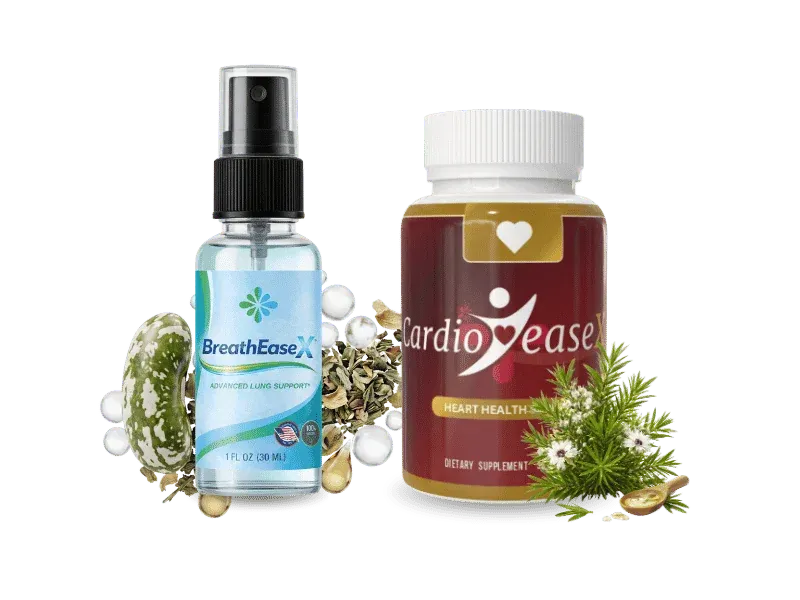
Well behind ventilation and not smoking. BreatheEasex is a daily oral spray positioned as nutritional support for everyday respiratory wellness — an optional addition rather than a response to a genuine air quality problem. If your home has damp, fix the damp.
Background reading
Related reading from the BreatheEasex Journal
Healthy Lungs
The habits with the strongest evidence behind them, and why your lungs need far less help than marketing suggests.
Read the article →Daily Wellness Routine
A method for building habits that survive a bad week, and for knowing whether anything actually worked.
Read the article →Begin your BreatheEasex routine
One spray a day, taken at the same time, alongside hydration, gentle movement and decent sleep. Feedback in this category is gradual — the 60-day guarantee exists so you have room to judge it properly.
From $49 per bottle on the six-bottle package, with free shipping.